If the findings of a new study hold up under peer-reviewed scrutiny, constipation may be a thing of the past for many people.
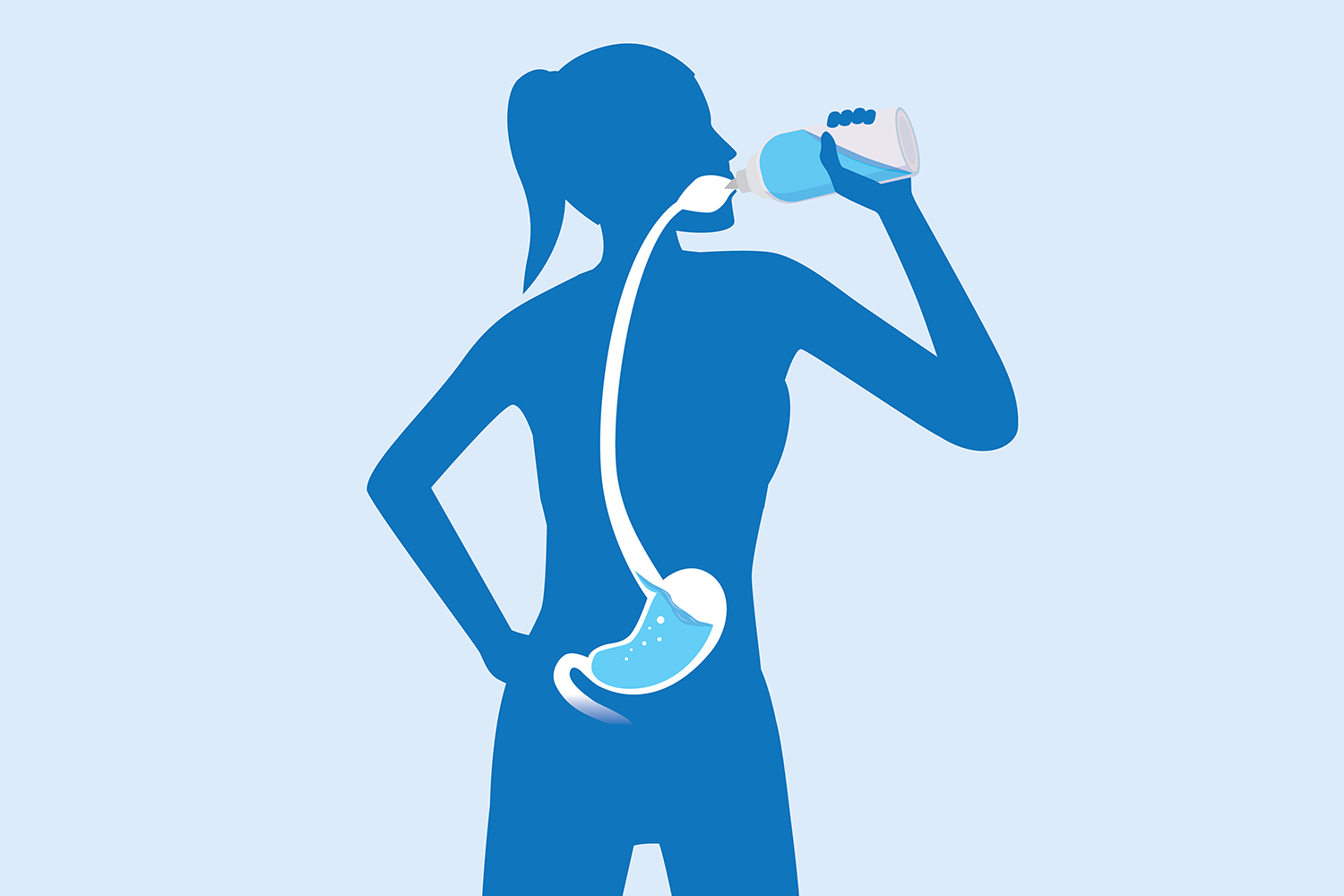
Dr. Alayne Markland, conducting research with the Department of Veterans Affairs Medical Center in Birmingham, Alabama, has learned that fluids—being properly hydrated—may have as much, or more, to do with preventing constipation than consuming fiber.
The findings were reported in the American Journal of Gastroenterology and revealed that as many as 14% of people may experience constipation "regularly,” which may be defined as either fewer than three bowel movements per week or hard stool which is slow to transit through the intestines and causes discomfort.
People who consumed the lowest amount of liquids, whether from food or drink, were more likely to be constipated.
- Among women, only 8 percent who consumed the most fluids were constipated compared to 13 percent of those who consumed the least fluids.
- Among men, only 3 percent who were hydrated suffered constipation compared to 8 percent who consumed the least amount of fluids.
Don’t give up the daily recommendation of 25 to 30 milligrams of fiber or fiber supplements just yet though. "I still think that diet, fiber, exercise and increased fluid should remain the recommendations," Dr. Markland reported to Reuters Health.